
Balanced Pakistani Nutrition: Healthier Desi Meals Without Sacrificing Flavor
متوازن پاکستانی خوراک: روایتی ذائقے کے ساتھ صحت مند کھانا
How to reform traditional curries, lentils, and bread to reduce coronary risk, tackle visceral fat, and prevent early-onset Type 2 diabetes.
Reviewed by Dr. Ayesha Malik
•5 min read
•November 2026
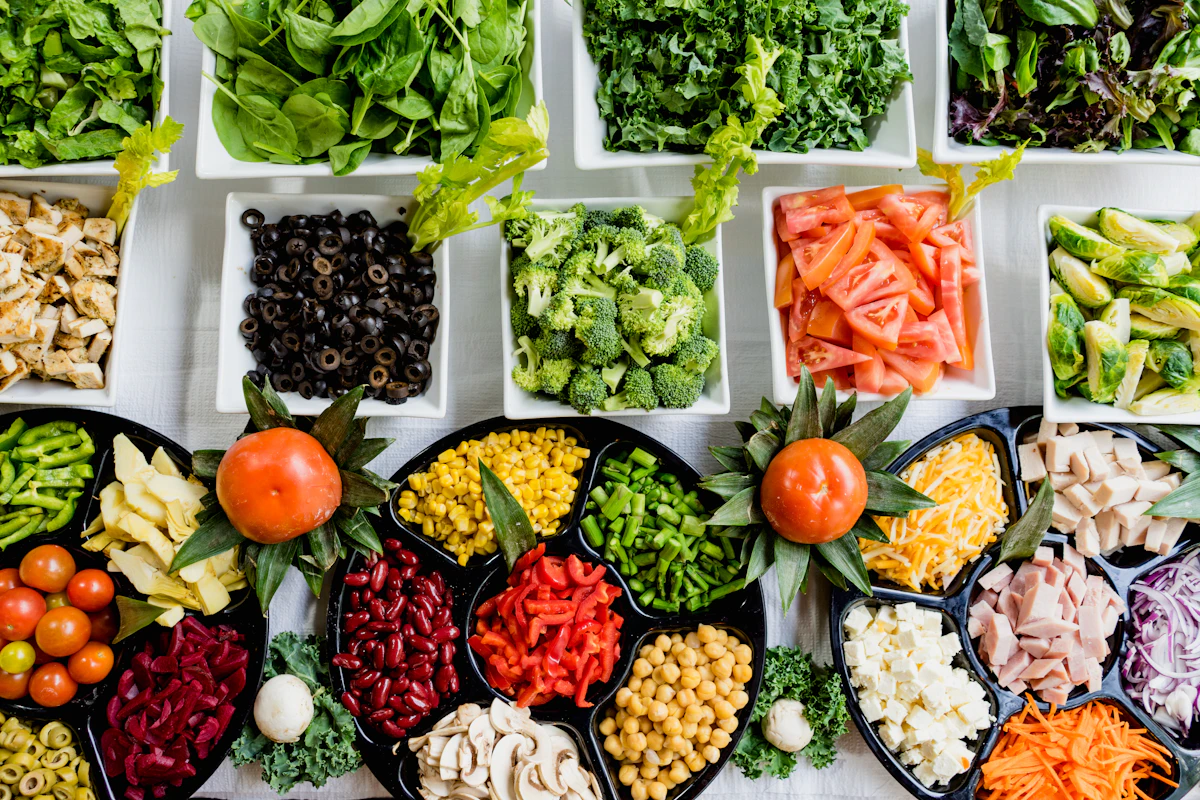
### The Double Burden of Malnutrition & Metabolic Disease
Traditional Pakistani cuisine is rich in spices, antioxidants, and lentils. However, modern cooking practices often involve excessive vegetable ghee, prolonged deep-frying, and heavy reliance on refined wheat flour (maida) and polished white rice.
### Practical Culinary Tweaks
#### 1. Roti & Carbohydrate Choices
Replace refined white flour with whole wheat (chakki atta) combined with chickpea flour (besan) or barley flour (jau ka atta). This drops the glycemic index, preventing sudden blood sugar spikes.
#### 2. Oil & Ghee Modification
- Reduce cooking oil from the traditional 4-5 tablespoons per salan down to 1-2 tablespoons.
- Choose cold-pressed mustard oil (sarson ka tel) or extra virgin olive oil for gentle cooking.
- Avoid reheated reused oil, which generates harmful trans fats and advanced glycation end-products.
#### 3. Half-Plate Salad Rule
Begin lunch and dinner with a bowl of fresh cucumber, radish, tomato, and onion dressed with lemon juice. The dietary fiber buffers carbohydrate absorption and creates healthy satiety.
#### 4. Lean Protein Integration
Balance red meat (mutton/beef) by introducing lentils (daal), chickpeas (chana), skinless chicken, and fresh local fish (such as Rohu, Trout, or Pomfret) at least two to three times a week.
Authoritative Medical Guidelines & Citations:
Nutrition Division, National Institute of Health Islamabad; Diabetic Association of Pakistan Dietary Recommendations.